
Guide
The 8 most common event scams, and how to stop them
If you organise, exhibit at or attend events, you’ll recognise most of these. Here’s how each one works, the signs to look for, and what you can do about it.
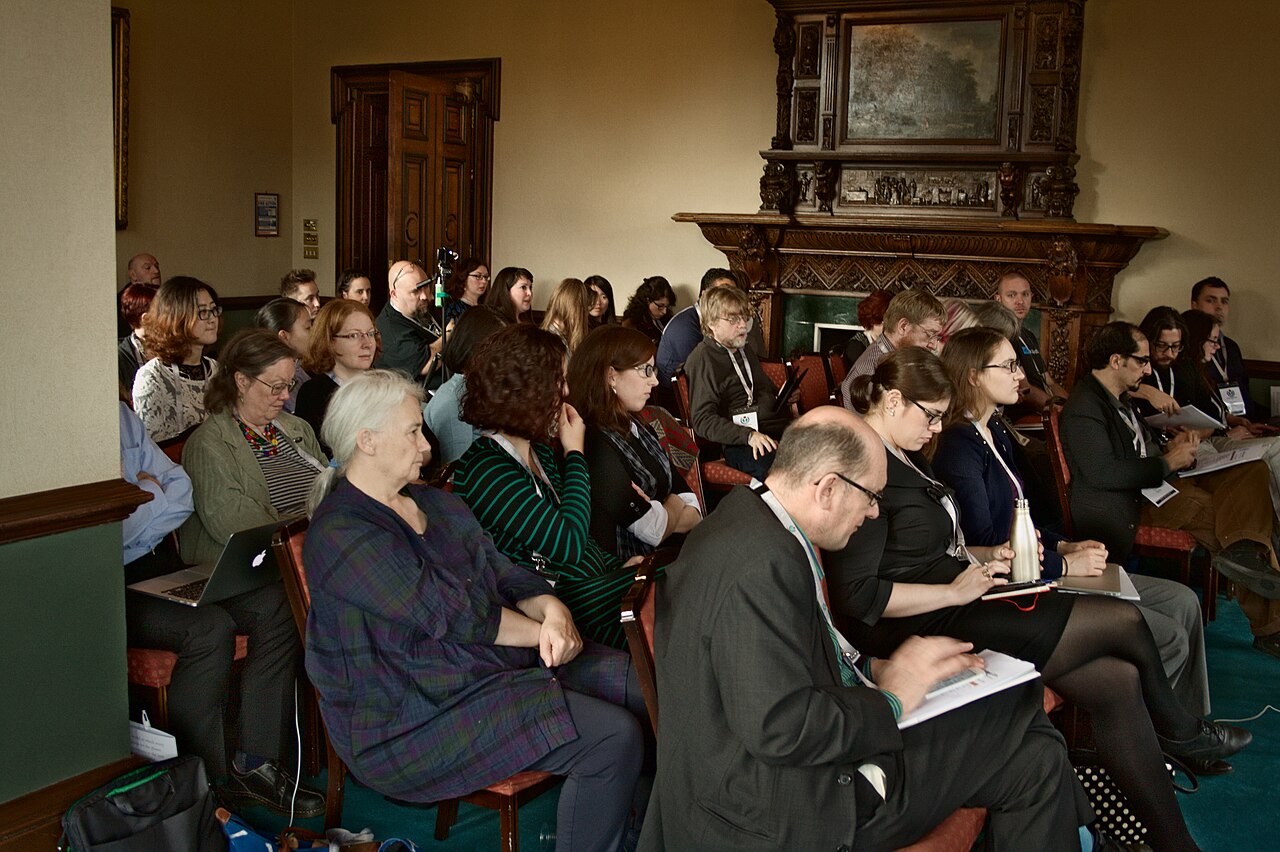
Event scams work because events run on deadlines, trust and large sums of money. Exhibitors pay for stands, rooms and services from people they’ve never met, often by bank transfer and often in a hurry. Scammers simply borrow the event’s name and slip into that flow.
1. Hotel and room block scams
Someone claiming to be the event’s “official housing partner” offers rooms below the published rate and takes a deposit. The rooms may not exist, or come with terms nobody would agree to.
Signs to look for: Rates below the event block, unknown “official” providers, payment by bank transfer.
2. Attendee list sales
An email offers “the verified delegate list” for your event at a one-off price. The list is usually fake or scraped from public pages, and occasionally a real leak.
Signs to look for: An exact-sounding number of contacts, a sender with no link to the event, pressure to pay now.
3. Fake invoices and changed bank details
A copy of a real invoice, sometimes with the correct reference number, asks for payment to a new account.
Signs to look for: Any change of bank details by email, an address that’s nearly right, urgency.
4. Directory and guide renewals
A form or invoice for a listing in the “official exhibitor guide” that looks like a renewal, often with small print committing to years of payments.
Signs to look for: Something you don’t remember ordering, “free” listings with a signature box, long contract terms.
5. Fake event and ticket websites
A copy of the event’s website on a lookalike address, selling tickets, stands or packages.
Signs to look for: A slightly different address, cheaper prices, “last few left” banners, unusual payment methods.
6. Phone and text scams
A call or text from someone claiming to be the event’s team, its housing desk or a partner, asking for payment on the spot.
Signs to look for: They called you, the number isn’t on the event website, pressure to decide during the call.
7. Visa and travel scams
Offers of visa letters, travel packages or “guaranteed” entry for a fee, aimed especially at international attendees.
Signs to look for: Fees for things the event provides free, requests for passport details, unofficial agents.
8. Fake awards and speaking slots
An invitation to speak or be shortlisted for an award at your event, followed by a fee for the “package”.
Signs to look for: Being chosen for something you didn’t apply for, then asked to pay.
How to protect your event
No organiser can stop scammers from trying. What you can do is make the fakes easy to spot and hear about them early.
- Make it easy to check what’s really yours. Publish your official email addresses, phone numbers, suppliers and housing partner in one place, and tell exhibitors to check there first.
- Prove your important emails are genuine. Stamp invoices and payment reminders so exhibitors can confirm them with a click.
- Lock down your email domain. Make sure nobody else can send email from your exact address.
- Watch for copies of your website. Find lookalike sites early and report them to the people who can take them down.
- Know when your lists leak. Plant made-up contacts in the lists you share, so you know exactly where a leak came from.
- Warn people early, with specifics. “Beware of scams” is easy to ignore. “You may get an email from this address offering rooms” is not.
SummitShield does all of this for event organisers, free. See how it works.
Free for event organisers
Protect your event today. It’s free.
Set up in an afternoon. Your exhibitors and attendees get a place to check what’s really you, and you get an early warning when someone uses your name.