
Guides
Event scams, explained in plain English
How the most common event scams work, what they look like when they land in your inbox, and what you can do about them. Written for organisers, exhibitors and attendees.

“We have your event’s attendee list”: why you should never buy it
Almost every exhibitor gets the email offering a show’s ‘verified attendee list’. Here’s why it’s almost always a scam, the warning signs, and what to do with it.
Read the guide
“We’re the show’s official partner”: the calls selling AV, furniture and graphics
Exhibitors get calls and emails from companies claiming to be a show’s official AV, furniture or graphics supplier. Some deliver, some don’t, but the ‘official’ claim is the lie. How to check, and what to do.
Read the guide
Fake event and ticket websites: how to spot them, and what to do if you’ve paid
Copycat event and ticket websites cost UK fans millions every year. Here’s how they work, the signs that give them away, and what to do if you’ve already paid.
Read the guide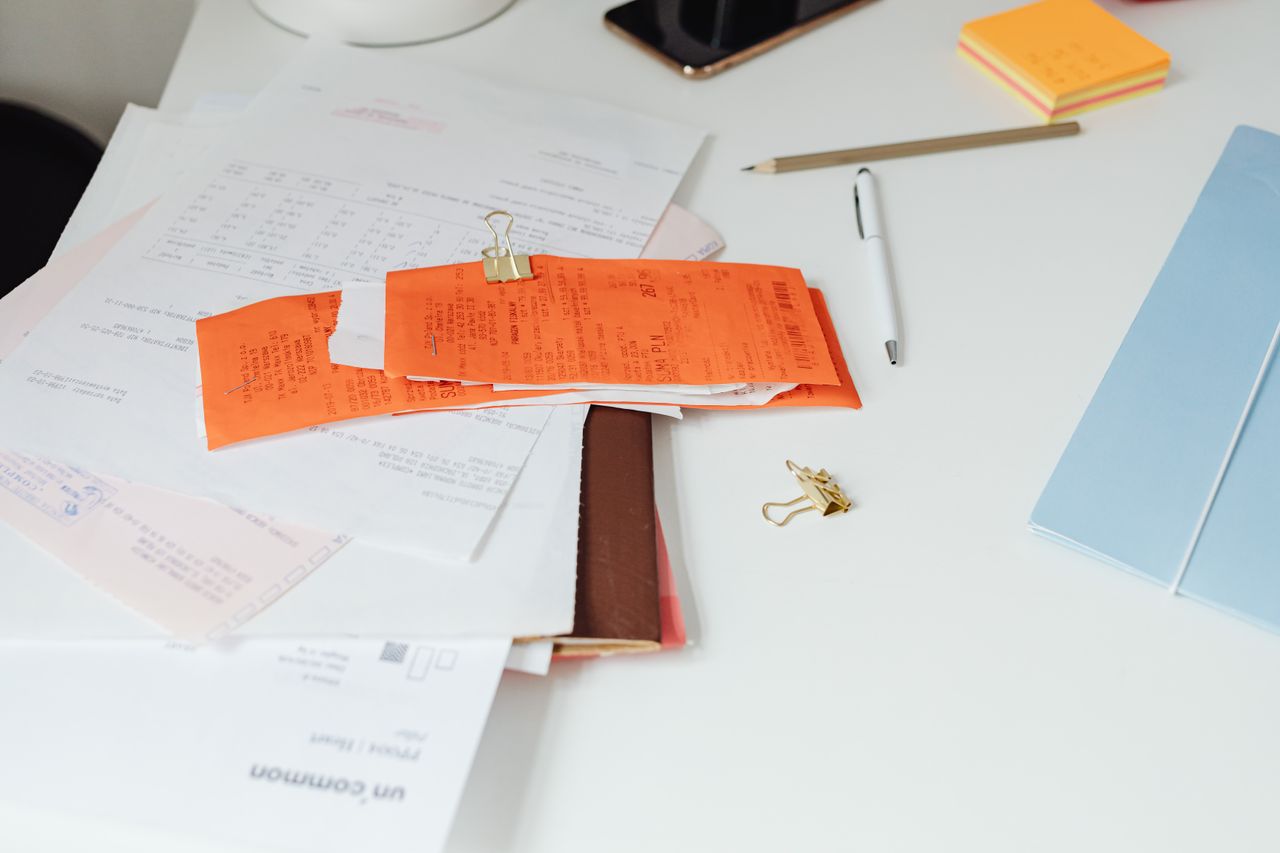
Fake invoices and “we’ve changed our bank details”: the event scam that costs the most
A copy of a real stand invoice with different bank details is the costliest scam exhibitors face. How invoice fraud works, how to check bank details, and what to do if you’ve paid.
Read the guide
Room poachers: the hotel booking scam that targets every exhibitor
Calls and emails offering ‘official’ conference hotel rooms at a special rate are one of the oldest event scams. How room poachers work, the red flags, and how to book safely.
Read the guide
The “free directory listing” that costs thousands: exhibitor directory scams explained
A form asking you to ‘update your free listing’ for a trade show can commit you to thousands of euros. How exhibitor directory scams work, how to spot them, and what to do if you signed.
Read the guide
The 8 most common event scams, and how to stop them
A quick tour of every scam that follows events around, with the signs to look for.
Read the guideFree for event organisers
Protect your event today. It’s free.
Set up in an afternoon. Your exhibitors and attendees get a place to check what’s really you, and you get an early warning when someone uses your name.